
What Actually Worked for Me: A Physician's Honest Account of Getting Back to Myself
- R. Murray

- Oct 30, 2024
- 3 min read
Updated: Mar 25
I want to be upfront about something before I say anything else: I'm a physician who spent years giving patients advice about weight and health that I was not following myself. That's uncomfortable to admit. But I think it's also why people find generic "10 tips for weight loss" posts so frustrating .... because they're often written by people who aren't in the middle of it. I was in the middle of it.
I gained weight during my residency, lost some after Z was born, gained more after E, and somewhere in the blur of clinical work and late nights and Goldfish crackers eaten standing over the kitchen sink, I stopped recognizing my own relationship with my body.
The experience is more common than it probably should be. A 2018 survey published in JAMA Internal Medicine found that physicians have rates of overweight and obesity nearly equivalent to the general population .... despite knowing exactly what the evidence says. Knowledge doesn't automatically translate to behavior. If it did, every cardiologist would have perfect cholesterol and every psychiatrist would never miss a night's sleep. We're humans first.
What Didn't Work
Strict calorie counting: sustainable for about three weeks before I became unbearable to be around. A popular intermittent fasting protocol: genuinely fine until I was on call and hadn't eaten by 2pm and made a clinical error I caught, thank god, but that scared me. A gym membership I visited exactly four times.
What Actually Worked
Walking. Just walking. I know. Not exciting. But I started taking a 25-minute walk every morning before the kids woke up. No podcast, no plan, just moving. Something about the simplicity of it .... no equipment, no class to book, no performance .... made it stick in a way that nothing else had.
The evidence behind this is actually strong: a 2022 study in Nature Medicine found that 8,200 steps per day was the inflection point for significant reduction in all-cause mortality, obesity, depression, and diabetes. You don't need to run a 5K. A brisk 25-minute walk gets most adults close to that threshold.
Wellness Strategies: Evidence vs. Common Perception
Strategy | What Most People Think | What Evidence Actually Shows |
Walking | Too easy to matter | Reduces all-cause mortality, depression, metabolic risk .... even 8K steps/day (Nature Medicine, 2022) |
Family dinner at the table | Nice but not health-relevant | Linked to healthier eating patterns, lower obesity rates in children (Harvard Family Dinner Project) |
Calorie counting apps | Best tool for weight management | High dropout rates; can increase diet-related anxiety (JAMA Int. Med.) |
Intermittent fasting | Sustainable long-term approach | Works for some; problematic for shift workers, on-call schedules |
Seeing your own doctor | Unnecessary (I'm a physician) | Physicians who have a PCP report better health outcomes and earlier cancer detection |
Sleep 7....9 hours | A luxury, not a health tool | Single strongest predictor of weight regulation, immune function, and mood (multiple meta-analyses) |
Eating Dinner at the Table as a Family
This one surprised me. We started doing it semi-regularly (not every night .... let's be realistic), and it changed what I ate. Slower pace, actual awareness of the food. I stopped mindlessly eating the kids' leftovers before I'd eaten my own meal.
Seeing a Physician Myself
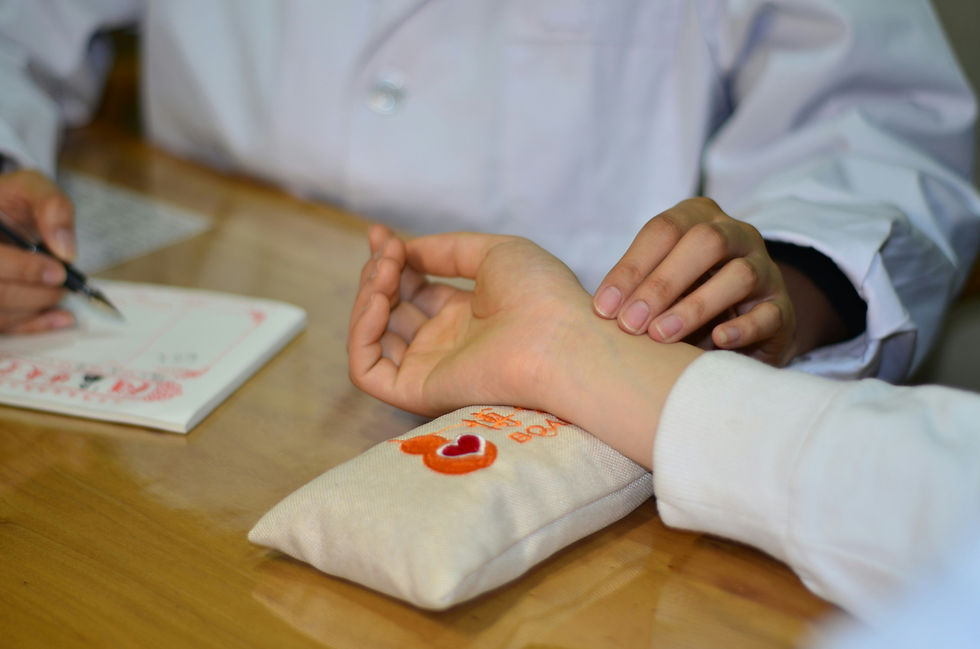
I know, I know. Physicians are the worst patients. But I made an appointment with a colleague and we had an honest conversation about where I was. She ordered labs, we talked through what I was actually dealing with, and having a clinical framework for my own health the same way I would for a patient made me more accountable. Highly recommend this. Go see your own doctor.
I want to be clear: I'm not writing this as a before-and-after story. It's ongoing. Some weeks are better than others. I still eat crackers over the sink sometimes. But I feel more like myself than I did three years ago, and that feels worth sharing.
Stay Connected
Enjoy these posts? Get new articles from R. Murray delivered to your inbox.
This post reflects my personal experience and is for informational purposes only. It is not medical advice. Please consult your own physician before making any health decisions.
Related Reading
Physician Burnout: My Personal Story
Why Rest Is Medicine, Not a Reward
Work-Life Balance in Our Physician Household


Comments